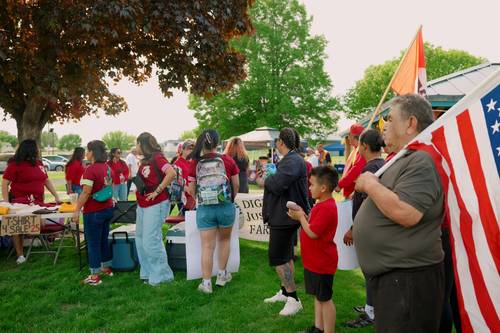
So much is happening in the Lower Yakima Valley.
Everywhere we look, our communities are being asked to carry burdens that no community should have to carry alone. Farmworkers are still fighting for dignity in the workplace. Families are still breathing polluted air. Many residents are still facing concerns about water, public health, and environmental safety. Workers are still expected to sustain industries that do not always sustain them back.
That is why demonstrations matter.
That is why rallies matter.
That is why we march.
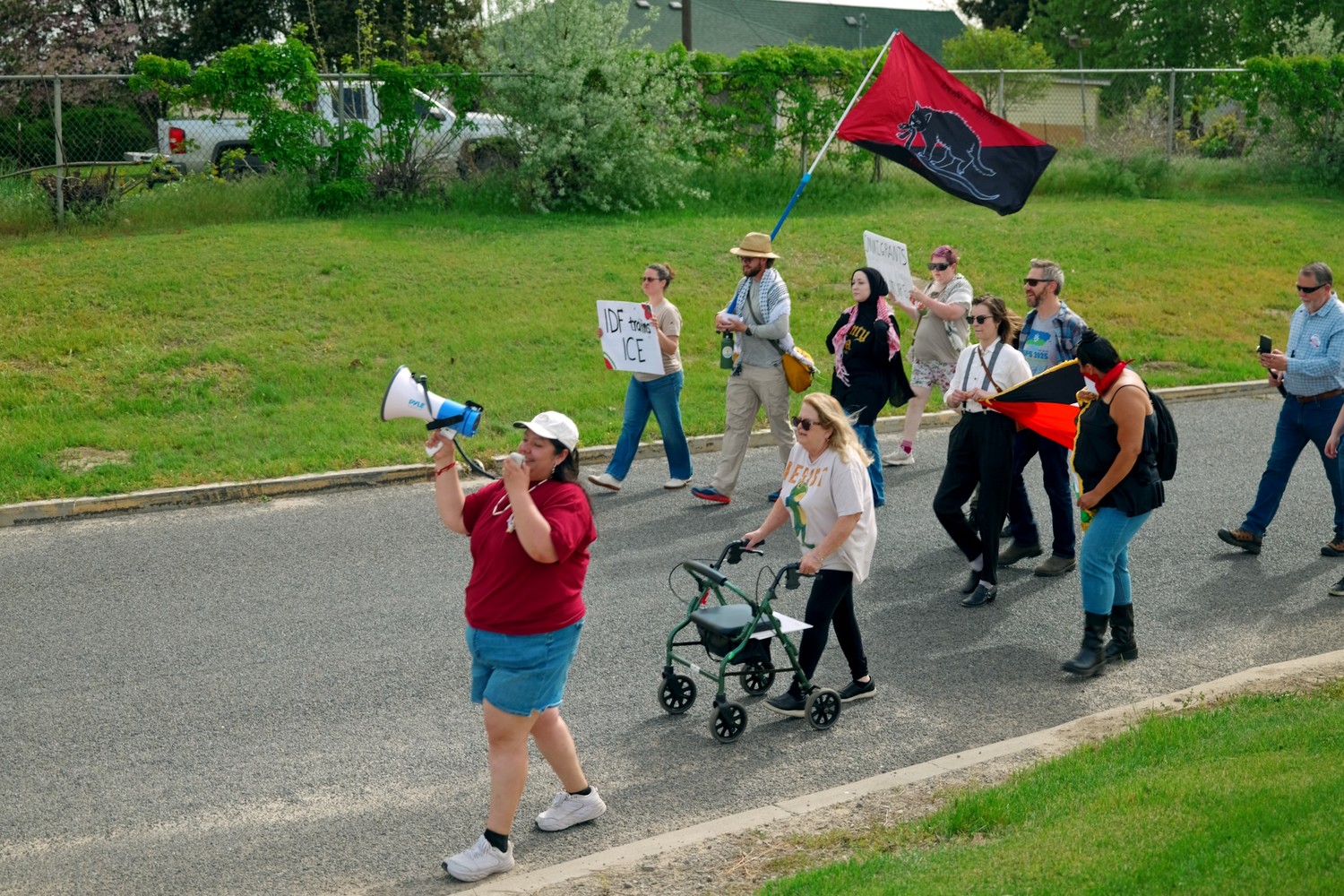
When people come together in public, they are doing more than holding signs or chanting slogans. They are making visible what has too often been ignored. They are saying, together, that the struggles of farmworkers, immigrants, families, and frontline communities are not isolated problems. They are connected. And because they are connected, our response must be collective.
In the Lower Yakima Valley, farmworkers are the backbone of our economy. Their labor feeds families across this region and far beyond it. They harvest, sort, pack, lift, bend, carry, and endure. Yet too many workers continue to live without what every worker deserves: living wages, benefits, access to healthcare, paid time off, vacation, retirement plans, and real protection from workplace harm.
Many of us who already have access to those basic protections must remember that they are not luxuries. They are standards of dignity. And if they are good enough for some workers, they should be expected for all workers.
We believe strongly in farmworker rights because we know that the health of our community depends on the health of the people who sustain it.
But our march is also about more than labor.
We are marching because the environmental conditions in the Lower Valley are not sustainable. Our communities are living with polluted air, concerns about water contamination, pesticide exposure, industrial agriculture impacts, and public health disparities. These are not separate from worker rights. They are part of the same system.
A farmworker exposed to pesticides at work may also go home to a neighborhood with poor air quality. A child with asthma may live near industrial operations and attend school in a district still learning how to respond to community needs. A family worried about paying rent may also be worried about whether the water is safe or whether public officials are listening.
When we march, we create public pressure. We remind elected officials that their responsibility is to the people, not only to industry, not only to donors, not only to the same old power structures that have shaped decisions for decades. Public officials need to see us. They need to hear us. They need to know that our communities are paying attention.
Rallies do something else, too. They unify us. They bring people into conversation. They allow neighbors to share stories that they may have carried alone for years. One person may speak about pesticide exposure. Another may speak about asthma in their family. Another may talk about wages, housing, healthcare, fear, exhaustion, or hope.
And suddenly, people realize: I am not alone.
For too long, many families in the Lower Yakima Valley have been forced into survival mode. People are working long hours, sometimes multiple jobs. They are raising children, caring for elders, trying to make ends meet, and navigating systems that were not built with them in mind. When people are surviving day to day, it can be hard to see how their struggles are connected to broader systems.

Demonstrations are a call to action. They are an invitation for people to get more involved, not just for one day, but for the long term. We need people attending meetings, asking questions, submitting public comments, volunteering, organizing, and supporting candidates who truly care about these issues.
We also need more people to consider running for public office.
If the people making decisions do not understand farmworker rights, environmental justice, public health, housing, education, or the lived experiences of our families, then we need new decision-makers. We need leaders who come from community, who listen to community, and who are accountable to community.
That is how we begin to shift the future.
We encourage everyone in the Lower Yakima Valley: do not lose your curiosity. Ask questions. Learn more. Talk to your neighbors. Show up even when you feel nervous. Bring your children. Bring your parents. Bring your stories.
One person cannot do this alone. One organization cannot do this alone. We need partnerships. We need families. We need youth. We need elders. We need workers. We need people who have never marched before and people who have been marching for decades.
We need a movement.
Posted May 01, 2026
We use cookies to improve your experience on our website. By browsing this website, you agree to our Privacy Policy.
x