A public meeting is supposed to be a doorway.
It is supposed to open up space for residents to speak, question, challenge, imagine, and shape decisions that affect their lives. But far too often in the Lower Yakima Valley, public meetings become something else: a checkbox.
A room is reserved. A presentation is given. A few questions are filtered through a phone app. People are thanked for coming. Then the real decisions continue somewhere else.
That pattern showed up recently on a few occasions in Sunnyside.
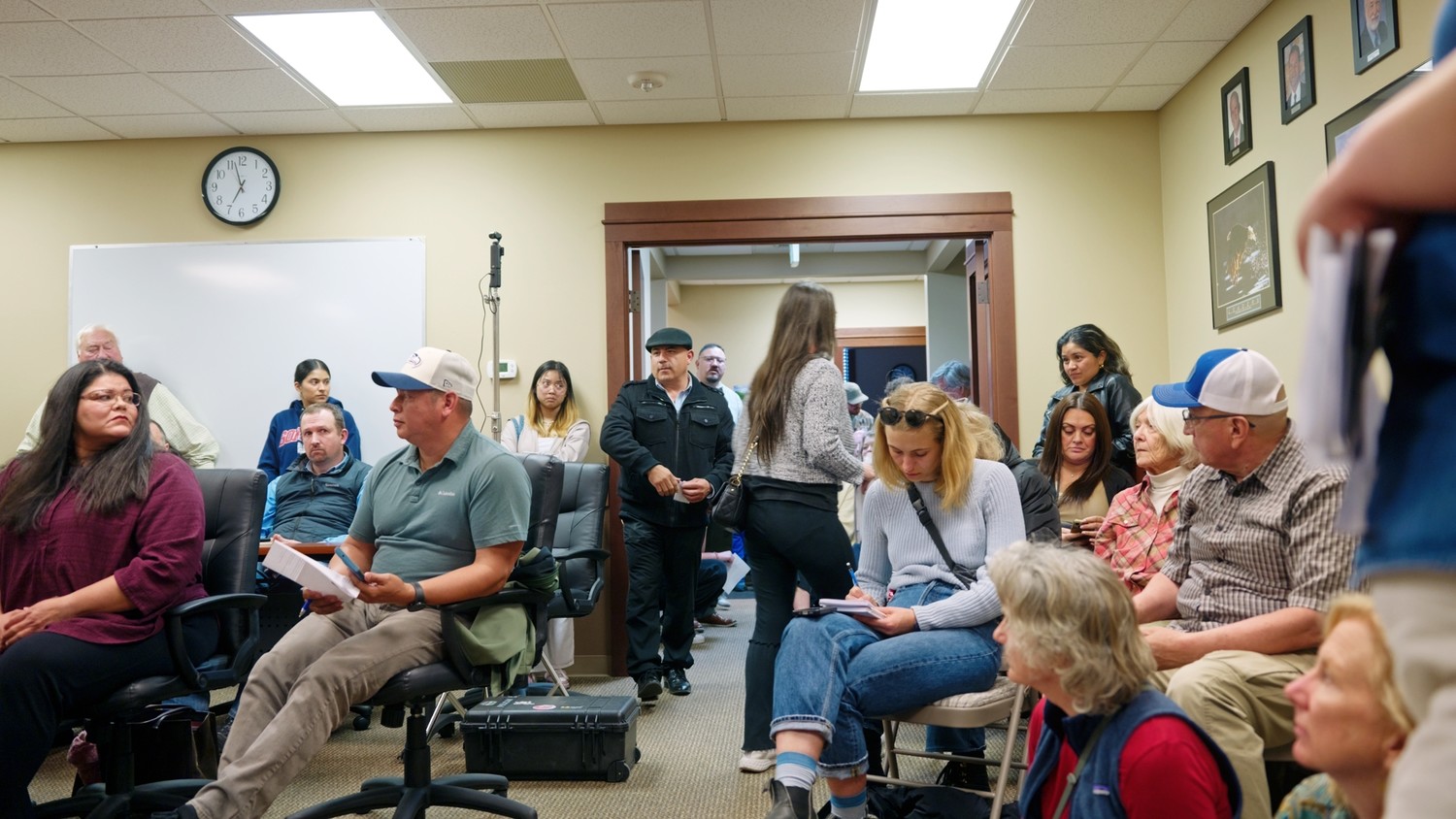
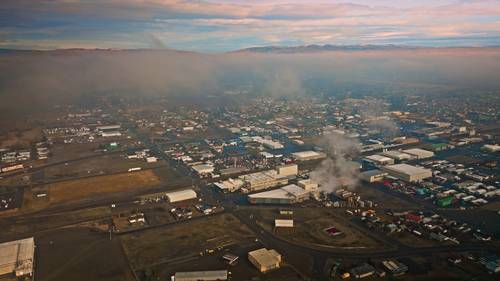
At a Yakima Regional Clean Air Agency public hearing on Pacific Ag’s proposed Sunnyside Renewable Natural Gas project, the room was packed. Community members showed up because they had serious concerns about air emissions, manure lagoons, traffic, school bus routes, public health, property values, and what it means to place a large biomethane facility near families already living with environmental burdens.
The room was too small for the number of residents who came. People spilled into hallways and reception areas. Several comments opposed the project. Many from nearby residents, people who live within yards of the proposed site.
Yet despite the overwhelming community support, the Old Guard stood unabated.
One of Pacific Ag’s representatives, Kipp Curtis, was seen typing messages during the hearing that referred to Sunnyside’s Mayor, Vicky Frausto, with a misogynistic slur and described the community as “uneducated.” Another message mocked “men with purses,” adding homophobia and gendered disrespect to the insult.
Those words matter.
They matter because they reveal how people in power talk when they think the community cannot see. They matter because the people in that roome not uneducated. They were scientists, parents, professors, attorneys, public servants, and residents fighting for their children’s future. They matter because this is the same community being asked to trust that the project will not harm them.
That trust cannot be gained while the Old Guard continues to undermine this community.
Unfortunately, this meeting does not exist as the sole violation of community trust.
A separate economic development listening session organized by the Yakima County Development Association and Central Washington University was supposed to gather community input for a comprehensive economic development strategy. Sunnyside deserves that conversation. As the second-largest city in Yakima County, with a young population and urgent needs around workforce development, housing, healthcare, transportation, education, and industry diversification, Sunnyside should be central to any serious economic plan.
Community leaders helped recruit a strong panel: a youth representative, healthcare voices, a school board leader, a CEO connected to business development, and Dr. Maricela Sanchez, whose expertise in urban growth, housing, infrastructure, and livable communities could have deepened the discussion.
But, panelists were given barely any time to speak. There was no meaningful back-and-forth. The event ended early, even though residents and panelists were ready to engage. Instead of a full conversation, community input was largely filtered through a digital tool.
That is not listening.
That is managed participation.
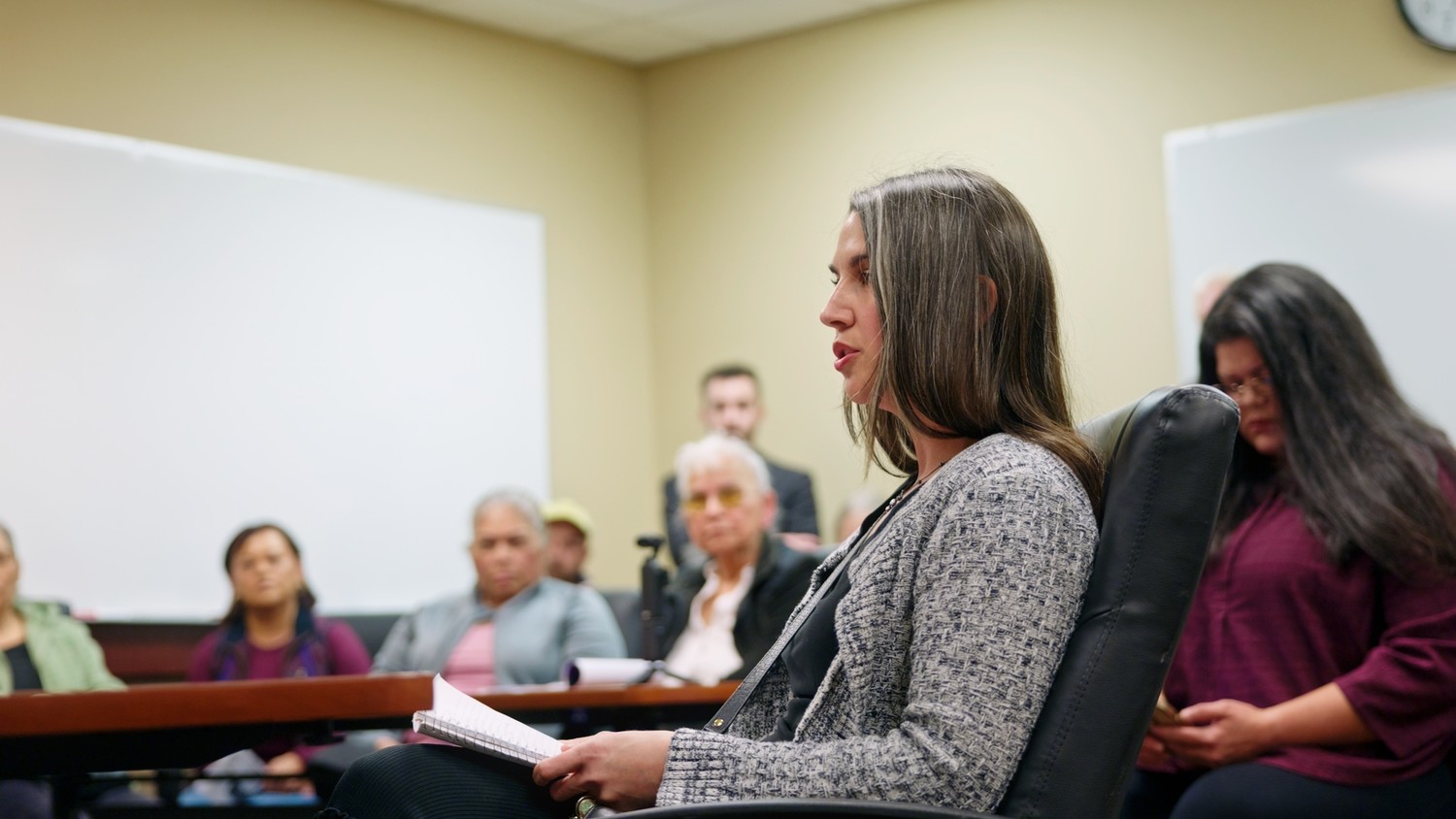
The difference matters. Real listening allows discomfort. It allows residents to have an equal amount of time compared to agriculture and natural gas. It allows people to ask why economic development always seems to mean more extractive industries instead of better healthcare jobs, skilled trades, childcare systems, local business incubators, affordable housing, and educational pathways.
In Sunnyside, people are not lacking ideas. They are often denied the microphone.
That became even clearer when Mayor Vicky Frausto described visiting Pioneer Elementary during career week. After days of sitting in rooms where adult decision-makers limited imagination, she asked fifth graders what they wanted for their community.
They had answers immediately.
Better parks. Better playground equipment. Soccer fields. Basketball courts. Places that feed people. Shelters. Safety from war. Protection from ICE. A community where children can grow without fear.
Those students were not using planning jargon. They were not writing grant language. They were doing something more powerful: telling the truth.
They understood community development better than many people who have been sitting in positions of power for years.
That is the heart of the issue.
The “Old Guard” is not just a group of people. It is a way of thinking. It is the belief that decisions should be controlled by the same circles, that economic development should serve existing industries first, that community input should be managed instead of honored, and that people of color can do the work but should not lead the systems.
That mentality must be challenged.
Sunnyside does not need more scripted listening sessions. It needs democratic imagination. It needs public meetings where Spanish-speaking families are fully included, where youth are treated as advisors, where local experts are respected, and where residents are allowed to name what they actually want.
The people closest to the problems are also closest to the solutions.
Posted July 07, 2026
We use cookies to improve your experience on our website. By browsing this website, you agree to our Privacy Policy.
x