
In the Lower Yakima Valley, environmental harm doesn’t always arrive as a headline. Sometimes it is a glass of water you can’t trust, a smell that follows you to a high school graduation, a rash, a burn, a diagnosis—and a paycheck that comes without health insurance.
In the Mujeres Por Mujeres podcast, ELLA speaks plainly about what our documentary The Price of Plenty: Voices of the Yakima Valley captures: pollution isn’t just an environmental issue here. It’s a public health issue. It’s a worker safety issue. And it’s an environmental justice issue—because the burden lands hardest on low-income, Latino-majority communities.
One of the realities named in the episode is private well contamination in places like Outlook, where families have faced high nitrate levels connected to concentrated dairy operations. The documentary’s framing is clear: this is not only about data—it’s about daily life. Teodora’s story, for example, shows what it means to live surrounded by CAFOs while your well tests as unsafe to drink.
And it’s not only water.
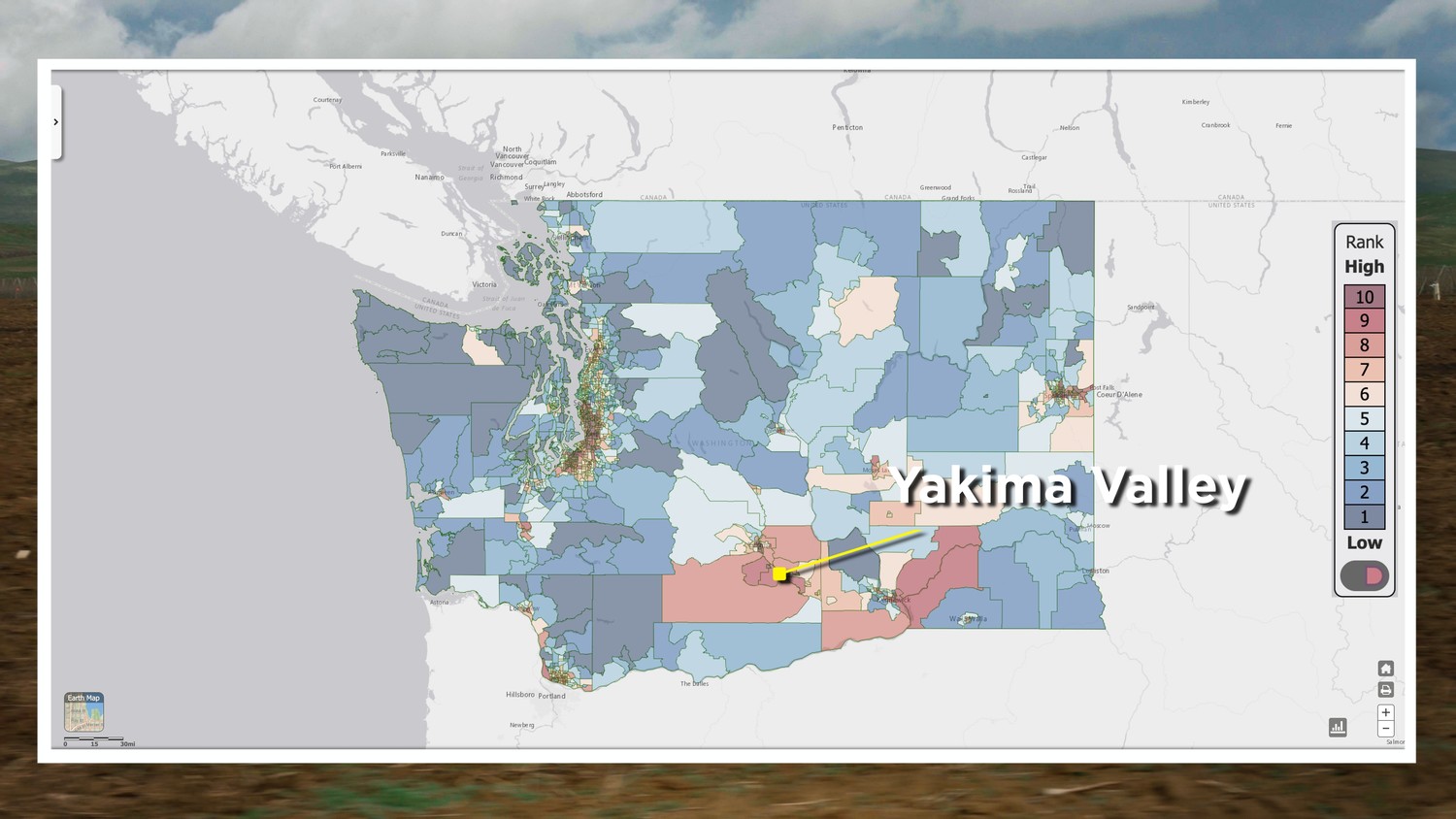
Washington’s Department of Ecology has identified the Lower Yakima Valley as an overburdened community with elevated air pollution exposure—reinforcing what residents have long felt in their bodies. The podcast connects that reality to the need for more robust, cumulative health studies—especially for children and frontline workers.
Maria Fernandez shares a story that many families in farmworker communities recognize immediately: her father worked in orchards during an era when protections were minimal, coming home “drenched” in pesticides, with little or no PPE. Years later, he battled cancer and died young. Her point isn’t to turn pain into a slogan. It’s to say out loud what has been normalized for too long: the costs of industrial agriculture are being paid by bodies—often the bodies of people with the least power to report harm.
Maricela adds another example: an uncle whose hand was injured in machinery, who felt he couldn’t file a claim without risking his job and housing. That’s how exploitation hides in plain sight—when safety becomes a luxury and silence becomes survival.
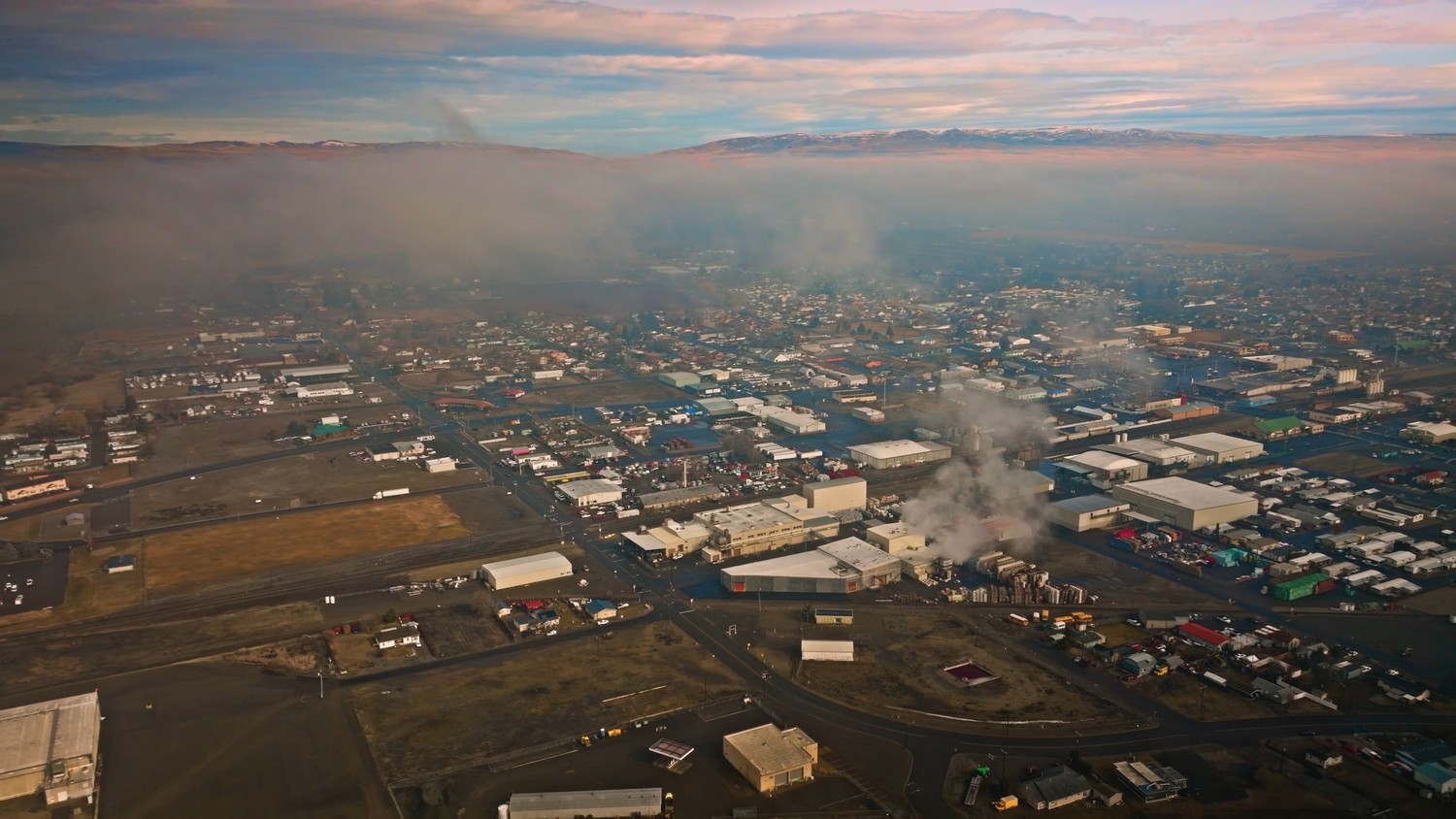
Studies near swine CAFOs, for example, have found evidence of animal fecal markers on indoor and outdoor household surfaces in nearby communities—showing how waste-related pollutants can travel beyond facility boundaries. The podcast draws a commonsense conclusion: if industrial animal waste can move into homes elsewhere, we should take seriously what communities near large cattle operations may also be experiencing.
The message is simple: accountability, protection, dignity, and transparency.
Because no community should have to accept poisoned water or compromised lungs as the price of living near a dairy. Nor should work should not require risking your life. Families should not have to fight just to be believed.
If you are interested in getting involved with ELLA, or learning more about the issues that affect the Lower Yakima Valley, contact ELLA today and we can help.
Posted April 01, 2026
We use cookies to improve your experience on our website. By browsing this website, you agree to our Privacy Policy.
x