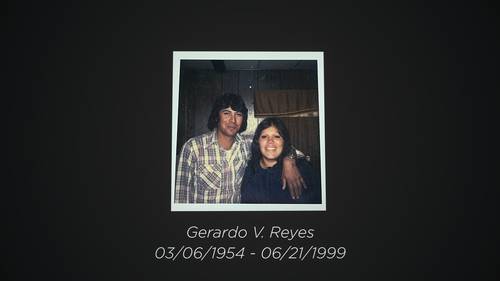
It started with our own stories. When Maria Fernandez’s father passed away from cancer, questions arose: “How did he get the cancer that killed him?” In a family where no one else had passed away from cancer, did it make sense that he would get the luck of the draw? Was it the nights he came home drenched in pesticides that poisoned his body? Or perhaps it was the decades of work he did in the agricultural industry with little to no healthcare access.
At ELLA, we know stories like this are powerful, but we also know that stories and science go hand and hand to validate the disparities we face.
That’s why ELLA created The Price of Plenty: Voices of the Yakima Valley: to hold two truths at once. The first is scientific. The second is personal. And both are real.
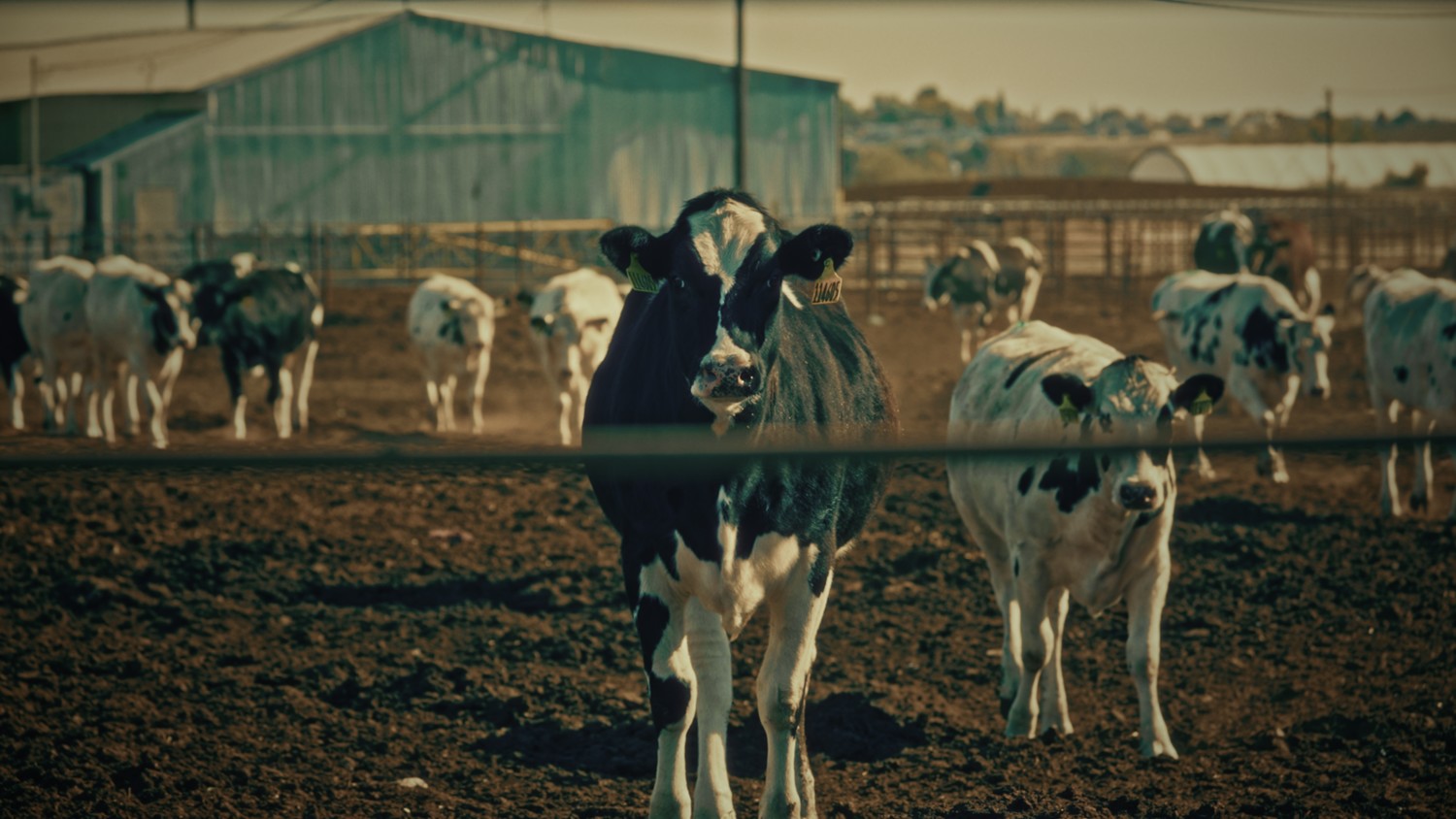
On the Mujeres Por Mujeres podcast, Maria explains that the documentary was born to share the stories of what our communities are living with: municipalities facing water infrastructure concerns and families relying on private wells that test with high nitrate contamination—a crisis that has left hundreds of families without potable water. In Outlook, the harms are not theoretical; they’re everyday life.
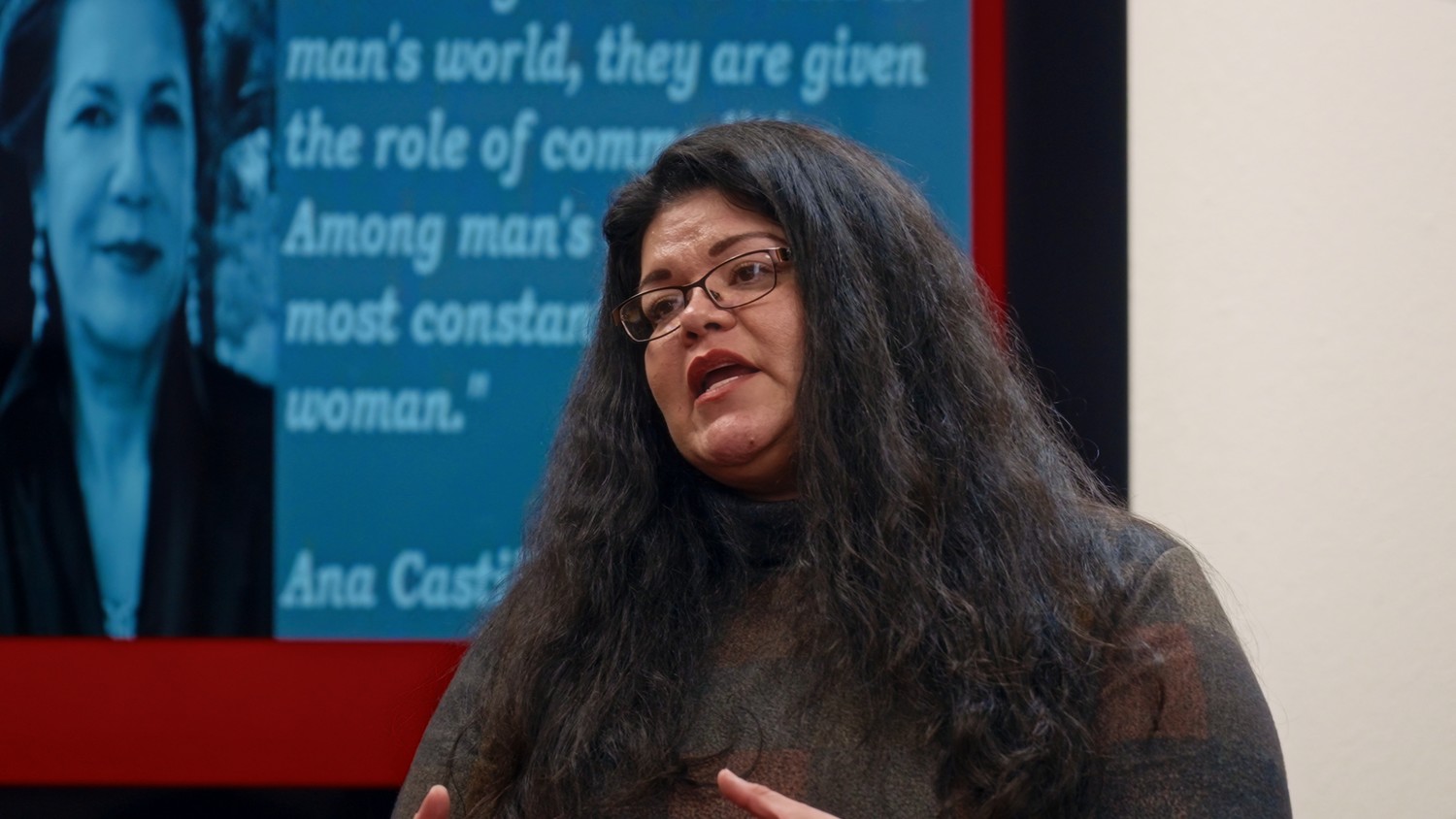
ELLA’s Environmental Justice Coordinator Maricela Santana-Walle describes what it meant to build a film centered on community members: “We knew that they would be at the forefront of telling their stories,” she shares. That means creating safe spaces for people to speak openly about what pollution has taken from them: health, peace of mind, and in some cases, the ability to stay in the place they call home.
The documentary opens that door with stories like Teodora’s, a resident of Outlook whose life is surrounded by concentrated animal feeding operations (CAFOs). Her well tests above safe nitrate levels, shaping everything from cooking to gardening to whether future generations can remain rooted on that land.
But ELLA knew stories alone wouldn’t be enough, especially in a climate where communities get dismissed, doubted, or gaslit. The documentary pairs lived experience with expertise: health specialists, lawyers, and civilian scientists who can speak to the evidence of what families have reported for decades.
Of notable mention is Dr. Catherine Karr from the University of Washington, an environmental epidemiologist and pediatric environmental medicine specialist who focuses on children’s environmental health, including respiratory outcomes like asthma. The film also names Environmental Lawyer Charlie Tebbutt’s legal battles against the dairy farms, and community-rooted farming models like Tierra y Libertad, led by Tara Villalba. That’s how the documentary moves from problem to possibility—toward advocacy, collective action, and a community vision for agriculture that doesn’t require sacrifice zones.
Because plenty should not come at the cost of our lungs, our water, or our dignity. Our stories, and that data that backs them up, are how we build power.
Because the goal isn’t just to document harm, It’s to name the “why,” and move to “what now.”
If you’re interested in learning more about the stories surrounding The Price of Plenty: Voices of the Yakima Valley or if you have your own stories that you would like to share, reach out to ELLA today and we can help.
Posted March 31, 2026
We use cookies to improve your experience on our website. By browsing this website, you agree to our Privacy Policy.
x