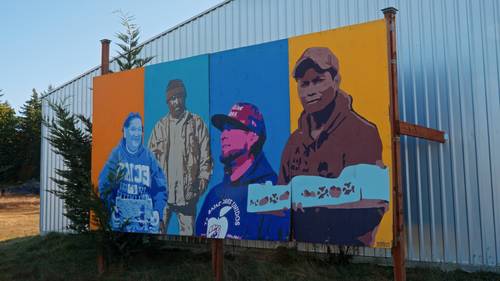
“Here, workers are not yelled at, not underpaid, not treated like machines. They are self-determining.” – Tara Villalba, Community to Community
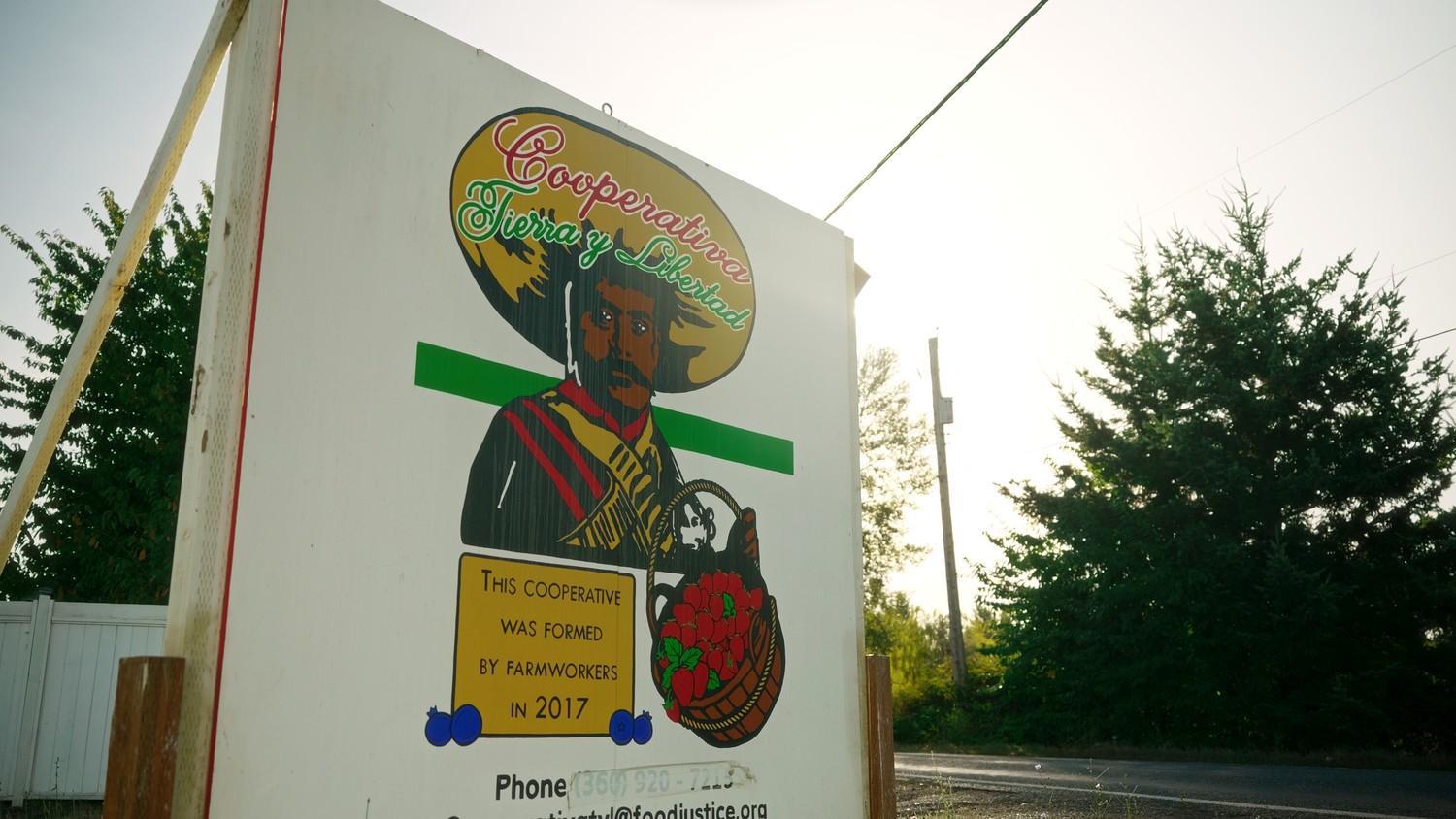
In Whatcom County, Washington, La Cooperativa Tierra y Libertad is planting more than crops. It is planting dignity. The people who work the land help make the rules. They decide what to grow, how to care for the soil, and how the harvest is shared with neighbors.
Tara says why this matters: “We need another food system that is not based on extracting from the land, extracting water, and exploiting workers. We have to build the example of the world that we want.”
On this farm, workers grow berries, corn, chilacayote squash, herbs, and nopales. They use compost, mulch, cover crops, and animals to return life to the soil.
Tara puts it simply: “We manage the waste here, compost, mulch, animal manure, so nutrients return to the soil. We disturb the earth as little as possible. Healthy soil is what makes healthy food.”
Workers also help shape daily life.
“Workers here have autonomy. They can take breaks when they need to, decide what we grow, and how we grow it,” Tara says. “On most farms, labor is just a variable. Here, labor, land, and water are our pillars.”
She adds that this respect reaches the heart: “For us, mental health means being able to bring your full self to your workplace, and to balance work with family. That kind of respect is rare in agriculture.”
When Eduardo García León came to Tierra y Libertad, he wasn’t sure what he would find.
“Mi experiencia es basada en maquinaria y plantaciones con máquinas, pero aquí es diferente.”
My experience was with machines and industrial farming, but here it’s different.
Eduardo had worked in places where workers labored under constant pressure: produce more, faster, cheaper.
“Afuera, no les importa la tierra. Tampoco les importa la gente.” Out there, they don’t care about the land. They don’t care about the people either.
At Tierra y Libertad, he saw another way.
“Cuando te tratan bien, trabajas bien.” When people treat you well, you work well.
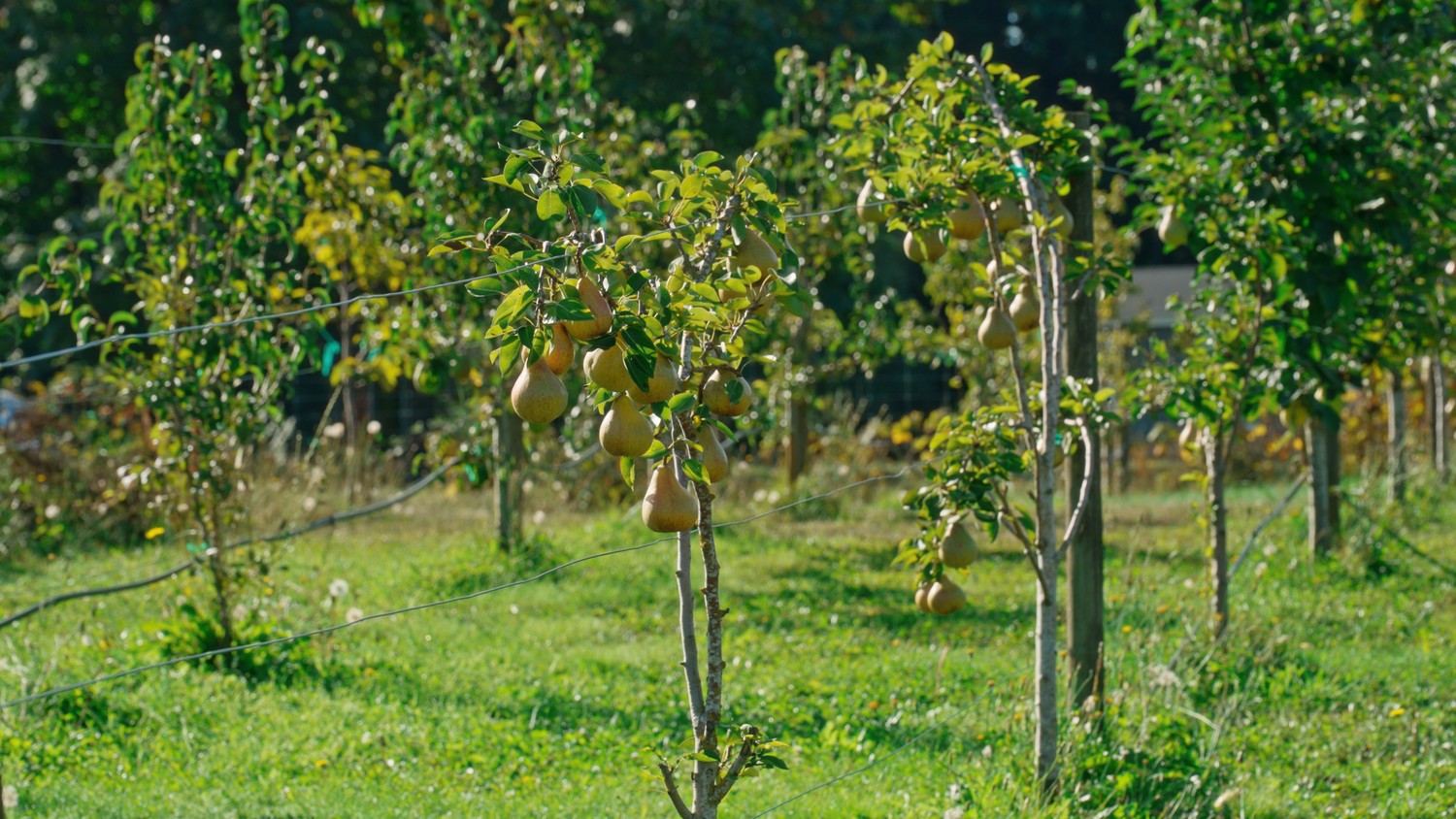
Instead of rushing alongside machines, Eduardo and his family plant by hand, compost farm waste, and care for animals that enrich the soil.
“Lo que más me gustó fue adaptarme a lo de antes, sembrar a mano, cultivar la tierra usando los animalitos.” What I liked most was learning to do things the old way—planting by hand, working the soil with animals.
This return to tradition felt like a discovery.
“Para mí fue un despertar… en otros lugares se trata de producir, producir, producir. Aquí entendí que tanta producción destruye la tierra.” For me it was an awakening… in other places it’s just produce, produce, produce. Here I understood that so much production destroys the land.
Eduardo remembers when he first realized the harm of pesticides.
“Al darme cuenta de lo que hacen los pesticidas, que pueden causar cáncer, sentí que se me abrieron los ojos.” When I learned pesticides could cause cancer, it was like my eyes were opened.
Now, he marvels at how safe food can be.
“Aquí esta tierra produce las mejores verduras que he comido en mucho tiempo.” Here, this land produces the best vegetables I’ve eaten in a long time.
Tara ties it back to practice, “We disturb the soil as little as possible, return nutrients with compost and mulch, and let animals be part of the ecosystem. Healthy soil makes healthy food, and healthier people.”
One crop surprised Eduardo most: nopales.
“Nunca había pensado que se podían crecer nopales aquí en Washington… pero sí se puede. Para mí es como estar en México otra vez.” I never thought nopales could grow in Washington… but they did. For me, it feels like being back in Mexico.
For Tara, that’s the point: “They want to feed the community and have a place where they get to practice their Indigenous foodways…so young people can carry them forward.”
Crops like nopales, chilacayote, and corn are not just food, they are cultural memory, medicine, and heritage. Now they are being grown by farmworkers on land once controlled by agribusiness.
Tierra y Libertad saves seed, shares knowledge, and learns with movements around the world.
“Food is sacred. Seeds are sacred,” Tara says. “You can’t have free seeds without free people.”
Looking ahead, she hopes for more perennial plantings, foods that grow back each year.
“Normal is changing with climate change. We need to live closer to the cycles that nature teaches us.”
Eduardo shares a word to the next generation:
“El campo es bonito… siembras algo, lo cuidas, y un día te da frutos. No hay nada igual.” The field is beautiful… you plant something, you care for it, and one day it gives fruit. There is nothing like it.
National monitoring by the U.S. Geological Survey (USGS) shows that farm regions often have higher nitrate in groundwater. In agricultural areas, levels are about three times natural background, and about one in five private wells test above the federal limit. Those above-limit well rates are higher than private-well averages nationally and far higher than public wells overall (USGS national data). A broad health review links nitrate in drinking water with risks such as colorectal cancer, thyroid disease, and some birth defects, and notes that some risks have been observed below current regulatory limits for infant safety (Ward et al., 2018).
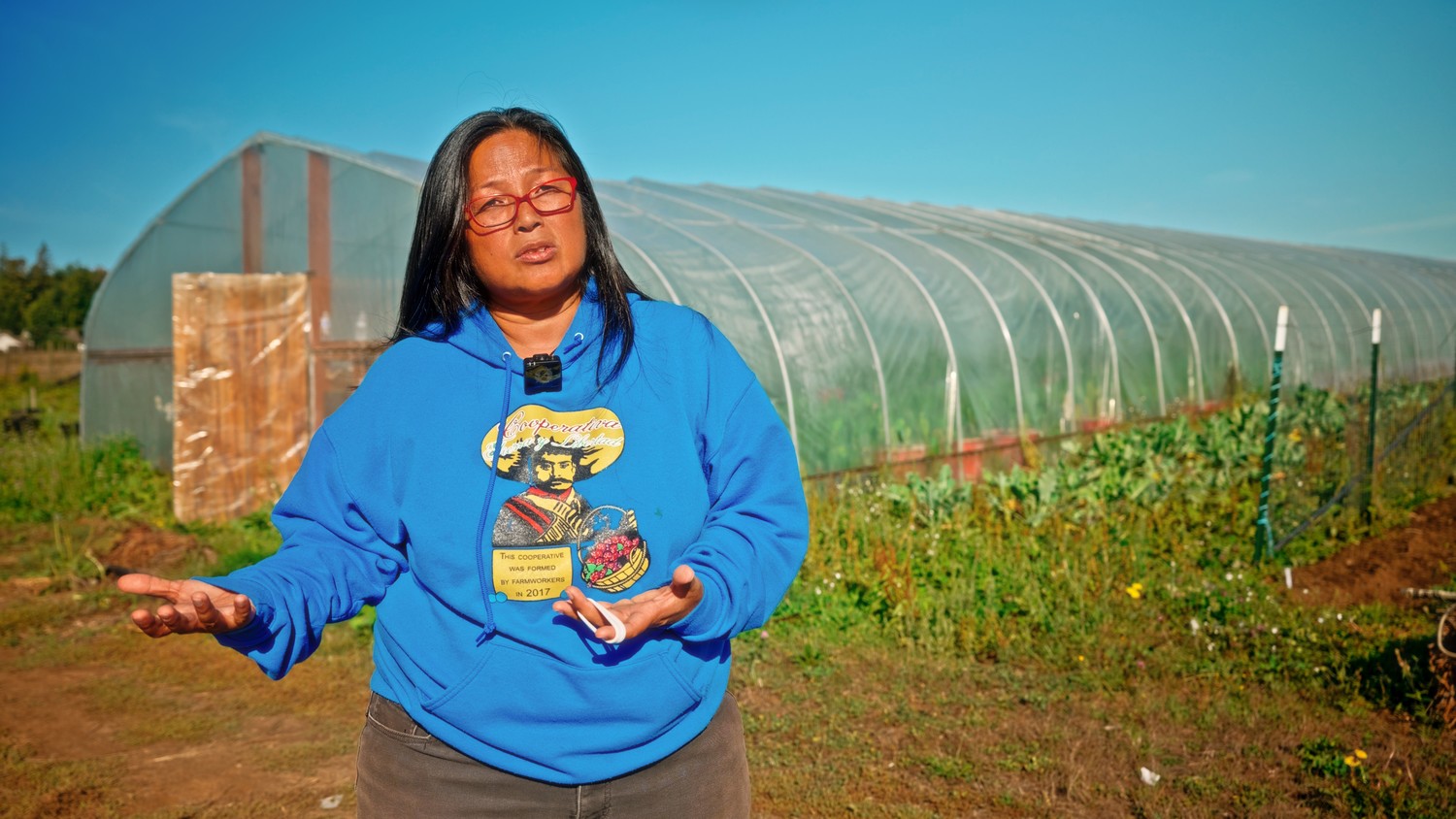
Tara’s vision meets this reality with care. “Labor, land, and water are our pillars.”
Imagine the Yakima Valley with more farms that act on those pillars. Workers would own the process, which lets crews choose practices like compost, cover crops, animal integration, and low tillage. These are designed to keep nutrients cycling in the field and away from wells, instead of relying on fertilizer-intensive, single-crop systems that are more likely to lose nitrate to groundwater (USGS national data for context about where nitrate problems concentrate; Ward et al., 2018 for health relevance).
Families would see mixed plantings of nopales, chiles, corn, and beans, which can lean less on a single nutrient regimen and ease pressure to over-apply fertilizers. Communities would prioritize paid heat breaks when weather turns dangerous and would fill food banks and CSAs with local, low-chemical food that people know and love.
In short, the Valley could protect water while building soil and honoring culture, and the national data show why that matters (USGS; Ward et al., 2018).
The lesson from Whatcom is simple.
Soil health plus water protection plus worker well being can grow a food system that truly feeds us.
Posted March 23, 2026
We use cookies to improve your experience on our website. By browsing this website, you agree to our Privacy Policy.
x