
By: Empowering Latina Leadership and Action (ELLA)
In Sunnyside, Washington, a new industrial biodigester is being promoted as a climate-friendly way to turn dairy manure into renewable natural gas. Supporters say it will cut greenhouse gas emissions and create clean energy. But many residents and advocates in the Lower Yakima Valley are worried about environmental health, public accountability, and who is being heard in the decision-making process.
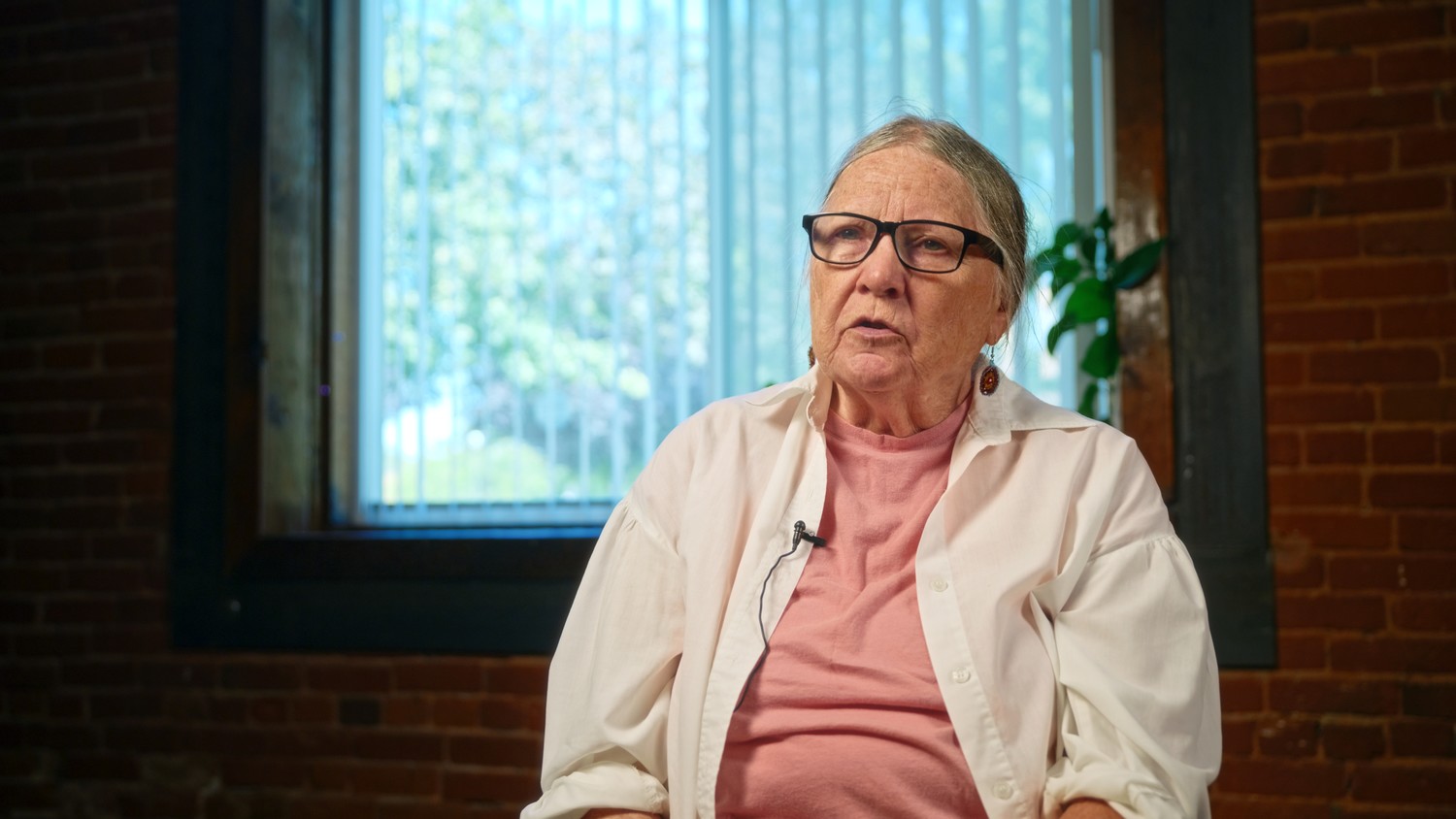
These concerns are voiced clearly by Jean Mendoza, Executive Director of Friends of Toppenish Creek, who has spent years studying dairy pollution, manure management, and regulatory oversight in Yakima County.
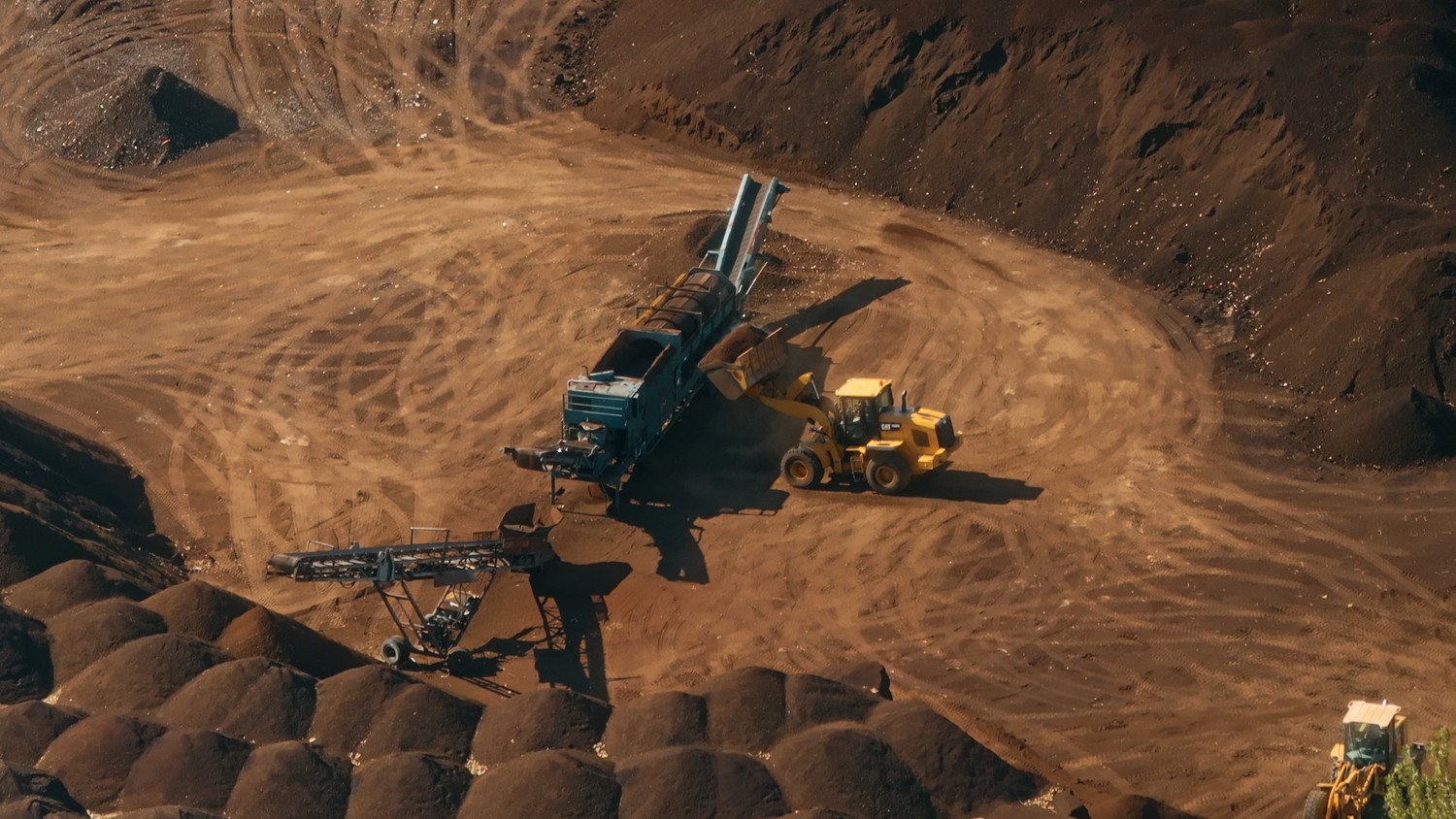
The Sunnyside biodigester is planned as a large, centralized “hub-and-spoke” facility. Manure and farm waste from about 30 local dairies would be trucked to one site, where the organic material would be broken down in an oxygen-free (anaerobic) environment. This process produces methane gas, which would be refined into renewable natural gas and sent into the Williams pipeline to be sold as fuel.
On paper, this system captures methane that might otherwise escape into the atmosphere. Since methane is a potent greenhouse gas, capturing it is often framed as a climate benefit.
However, as Mendoza explains, the key issue lies in how that methane is produced in the first place:
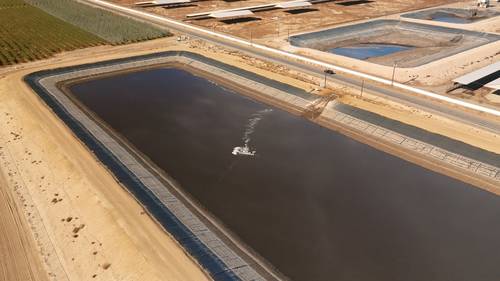
“Manure management does not produce methane unless manure is stored in anaerobic lagoons.”
This means methane emissions from manure are not unavoidable. They come from certain ways of storing manure, especially wet systems like lagoons that create oxygen-free conditions. Other ways of handling manure do not produce as much methane.
After methane is captured, most of the original material remains. This leftover substance, known as digestate, must be transported back to farms and applied to fields as fertilizer.
Supporters of the project often say digestate is basically the same as manure, but Mendoza strongly disagrees:
“The proponents of the digester would like to pretend that this digestate is the same as manure. But in reality, it’s been changed by the digestion process.”
During anaerobic digestion, complex organic molecules are broken down into simpler ones. This raises the amount of soluble nitrogen and phosphorus, making them more likely to leak into groundwater or run off into streams if not managed well.
Importantly, scientists still do not fully know which chemicals remain after the digestion process.
“There’s no good research to tell us what agrochemicals, what veterinary pharmaceuticals, what other chemicals survive in the digestate. So we really don’t know what’s being applied to the land.”
For communities already dealing with nitrate pollution in their drinking water, this uncertainty is a real public health risk.
Air quality is another big concern. Anaerobic digesters and manure lagoons release not just methane, but also ammonia, nitrous oxide, volatile organic compounds (VOCs), and hydrogen sulfide.
Mendoza identifies significant shortcomings in the State Environmental Policy Act (SEPA) review conducted for the Sunnyside project:
“The big missing link in the SEPA review was an air impact study.”
Mendoza says the Yakima Regional Clean Air Agency did not properly study the digester’s air emissions. The agency said the project would need an air quality permit, but did not look at or share which pollutants would be released or how they could affect people living nearby.
Many people in the community are very concerned that there is no detailed air quality study for a facility so close to homes, schools, and workplaces.
Mendoza also points out a bigger issue: large biodigesters can change how dairy farming works by making manure production a new way for farms to earn money.
“It encourages dairies to enlarge. The more manure they produce, the more money they can make from both milk and methane.”
Studies from California and Wisconsin show that digesters are linked to bigger dairy farms, with more cows in fewer places. For people already affected by large dairies, this could make pollution worse instead of better.
Mendoza stresses that there are other ways to manage manure that do not create methane. These include dry manure handling, composting, separating solids from liquids, and pasture-based systems.
“There are many, many ways to avoid producing this methane in the first place. When you subsidize biodigesters, you’re subsidizing wet manure management and penalizing the people who are doing the right thing.”
From this perspective, biodigesters are not a neutral climate solution—they are the result of policy choices that incentivize specific practices while neglecting others.
The dangers of manure lagoons are not just environmental. Mendoza remembers a tragic case where a dairy worker drowned in a manure lagoon in Yakima County, and she believes the incident was not properly investigated.
Manure lagoons give off dangerous gases that can push out oxygen and make it hard to breathe or think clearly. At high levels, hydrogen sulfide and ammonia can be deadly.
“If they truly valued this man’s life, they would have gone to that lagoon and taken air samples.”
Mendoza says the lack of fencing, warning signs, gas monitoring, and enforcement shows a bigger failure to protect farmworkers. Many of these workers are undocumented and do not have access to healthcare or labor protections.
“I can’t think of another industry where you can have a ten-million-gallon pond of manure with no fencing, no signage, no warnings, and expect people to work around it.”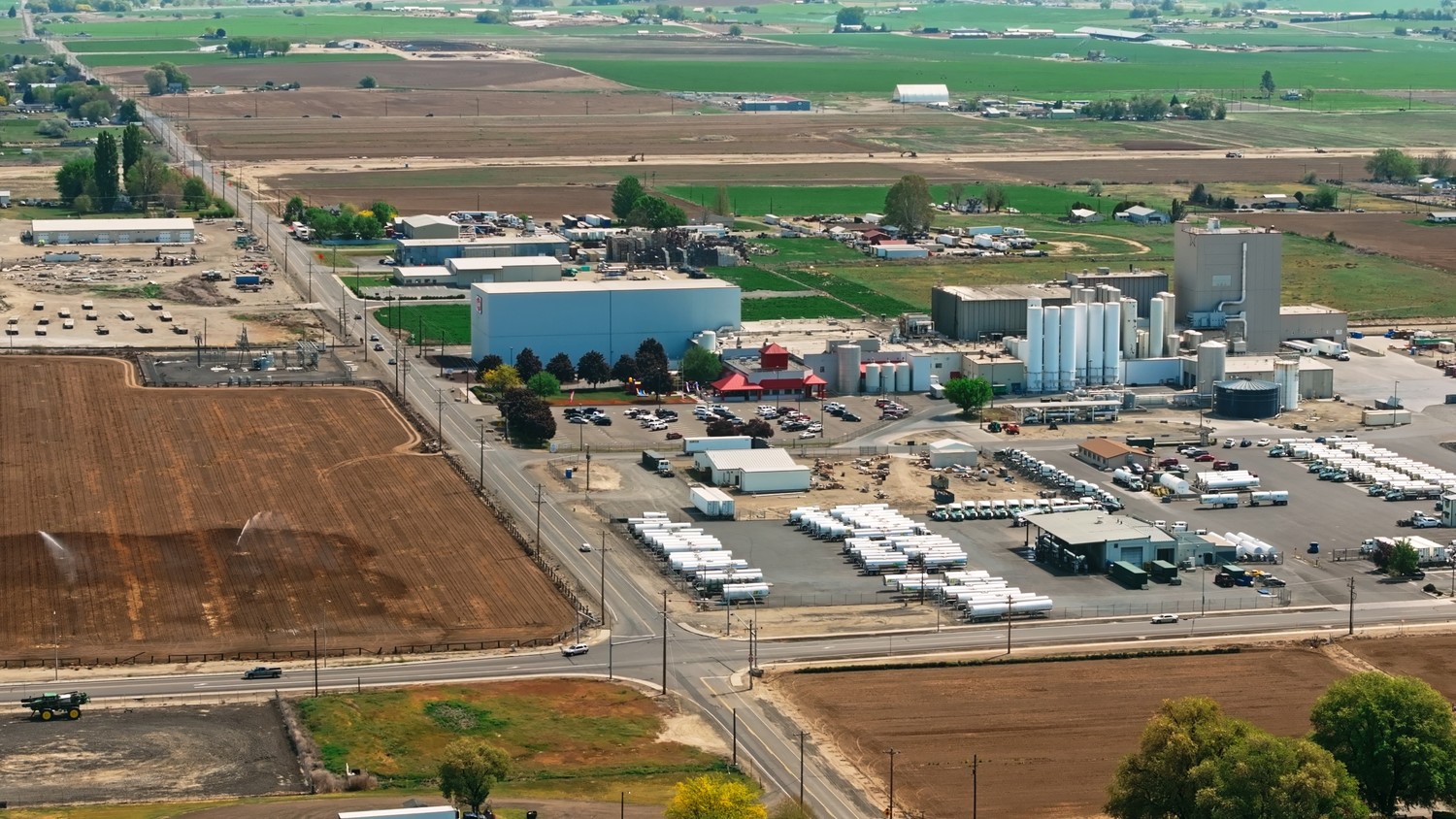
For many community advocates, the most troubling issue is that the public was not meaningfully involved as the project was developed.
“The only reason community concerns were addressed at all was because ELLA and Friends of Toppenish Creek repeatedly asked for public meetings.”
Mendoza says agencies and developers did not make an effort to involve local residents, even though Washington state law calls for public participation in environmental decisions.
This lack of involvement goes against the purpose of the HEAL Act, which aims to support health equity and include communities, especially those most affected by pollution.
For people living in Sunnyside and the Lower Yakima Valley, the debate about the biodigester is about more than just renewable energy. It brings up important questions about whether climate solutions actually help with existing environmental problems or make them worse. It is also about worker safety, clean air and water, and whether the voices of those most affected are truly heard before decisions are made.
As Mendoza puts it:
“If we truly believe that all lives have equal value, then our policies and our enforcement should reflect that.”
Posted March 24, 2026
We use cookies to improve your experience on our website. By browsing this website, you agree to our Privacy Policy.
x