
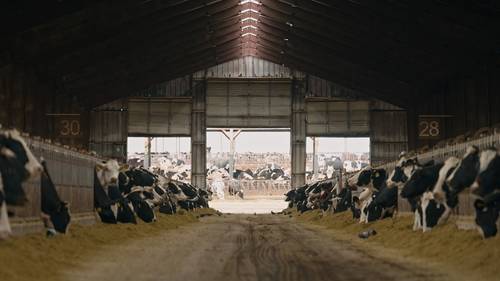
Drive through parts of the Lower Yakima Valley and you will see it before you smell it.
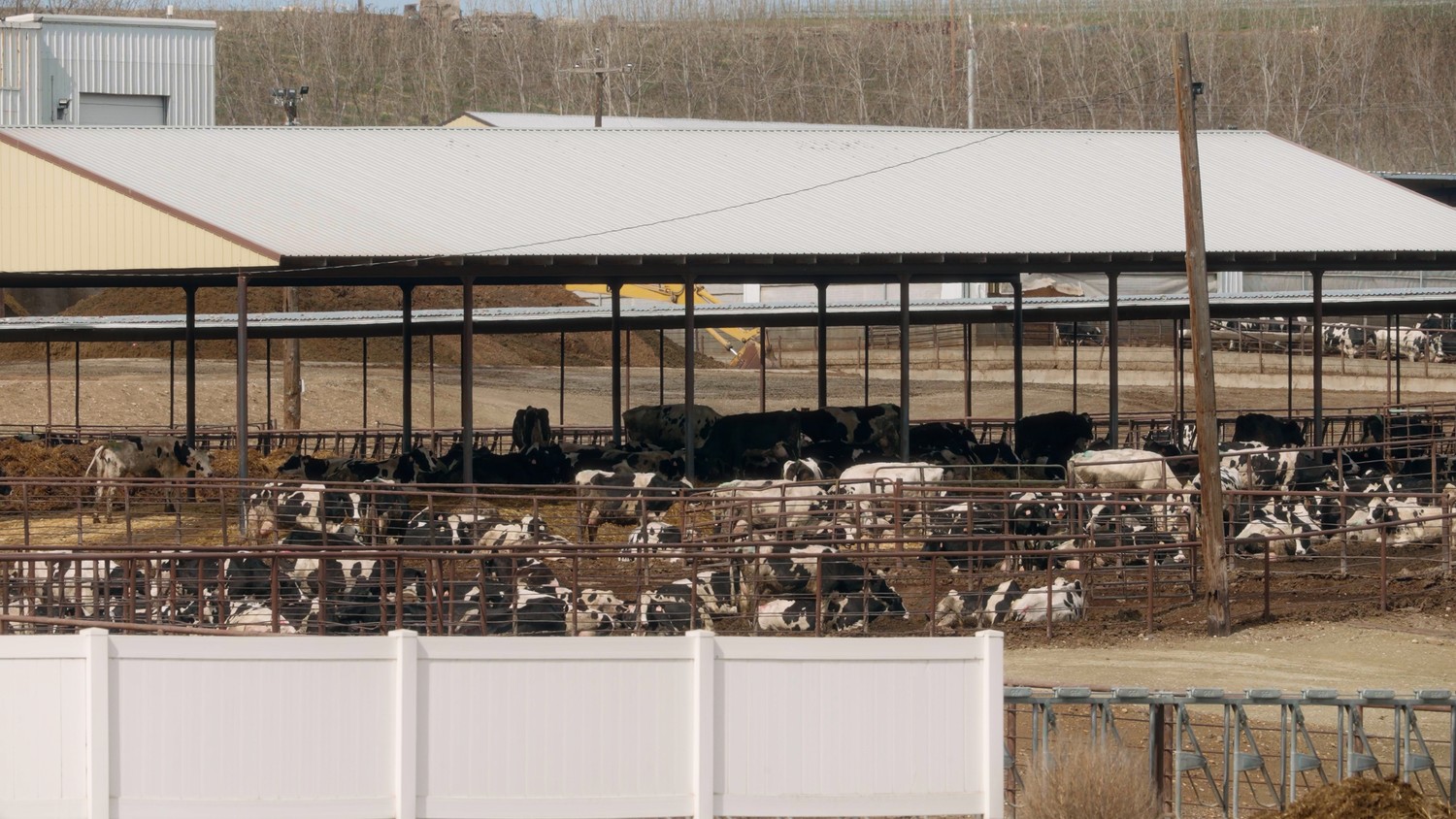
Manure piled in mounds the size of football fields. Lagoons holding waste from thousands of animals. Fields saturated beyond their capacity to absorb what is being applied to them.
This is not an isolated problem tied to one dairy. It is systemic.
For nearly three decades, litigation has been the primary tool forcing accountability in the region’s concentrated animal feeding operations (CAFOs). Lawsuits against facilities like Cow Palace and Bosma exposed nitrate contamination in groundwater. Some dairies closed. Others settled. None solved the problem voluntarily.
What makes this story particularly troubling is not simply the contamination itself — it is the regulatory failure surrounding it.
Behind the scenes, agency scientists and engineers have often agreed with advocates. The science has not been in dispute. The data has not been ambiguous. What has been missing is what Environmental Lawyer Charlie Tebbutt put bluntly “a bureaucratic backbone.”
For decades, heads of the Department of Ecology were presented with evidence: groundwater monitoring data, expert testimony, federal court decisions, nitrate levels exceeding safe drinking water standards. Yet when permits were written, they frequently failed to incorporate the full scope of scientific recommendations.
The dairy industry lobby is powerful. Nationally, Big Ag ranks among the top political lobbies. In Washington State, the Dairy Association has maintained deep access to decision-makers for generations. Lobbyists meet with agency officials. Legislation is drafted with industry input. Regulatory language is shaped quietly long before the public sees it.
The result?
Incremental change instead of structural reform.
Meanwhile, communities continue to drink contaminated water.
The science is straightforward. For manure to be applied sustainably, land capacity must match herd size. Yet major facilities have operated with far less usable land than necessary — concentrating waste near lagoons, overloading soil, allowing nitrates to permeate into shallow aquifers.
Industry defenders argue that large-scale dairies are necessary to “feed the world.”
But scale without responsibility is not sustainable.
It is possible to manage livestock responsibly. Smaller-scale agriculture is often more adaptable and less environmentally destructive. The 2006 Pew Commission report on industrial farm animal production concluded that the CAFO model was fundamentally flawed and should be phased out.
Nearly twenty years later, that warning still echoes.
What is perhaps most frustrating for those who have fought these battles is that litigation — expensive, slow, imperfect — has been the only reliable mechanism for change. If regulatory agencies had exercised their full authority decades ago, much of the groundwater contamination could have been prevented.
Instead, citizens and nonprofits carried the burden.

The fight continues. Federal agencies fluctuate in their enforcement depending on administration priorities. Progress comes, but slowly.
Still, there is hope.
Science, over time, prevails. Courts recognize facts. Communities organize. Younger advocates step forward.
But hope alone does not protect aquifers.
Accountability does.
And accountability requires vigilance.
If you are interested in learning more about you can get involved and make a difference, reach out to ELLA today and get connected.
Posted April 09, 2026
We use cookies to improve your experience on our website. By browsing this website, you agree to our Privacy Policy.
x