The Mujeres Por Mujeres podcast episode about The Price of Plenty: Voices of the Yakima Valley carries a difficult truth: our region has lived with environmental harm for so long that people are expected to “just deal with it.” But the episode also carries something else—an invitation.
Not just to bear witness harm, but to imagine a different future.
ELLA’s leaders are direct about why the documentary doesn’t stop at contamination and injury. “We don’t talk about just what the problem is,” Maria Fernandez explains. “We also… have to have discussions around what the solution should be.”
That matters, because communities experiencing pollution are often treated like they only exist to provide evidence of suffering. ELLA rejects that. The people of the Lower Yakima Valley are not a case study. We are a people with vision, culture, and the right to shape our own future. For ELLA, that means uplifting models that already exist.
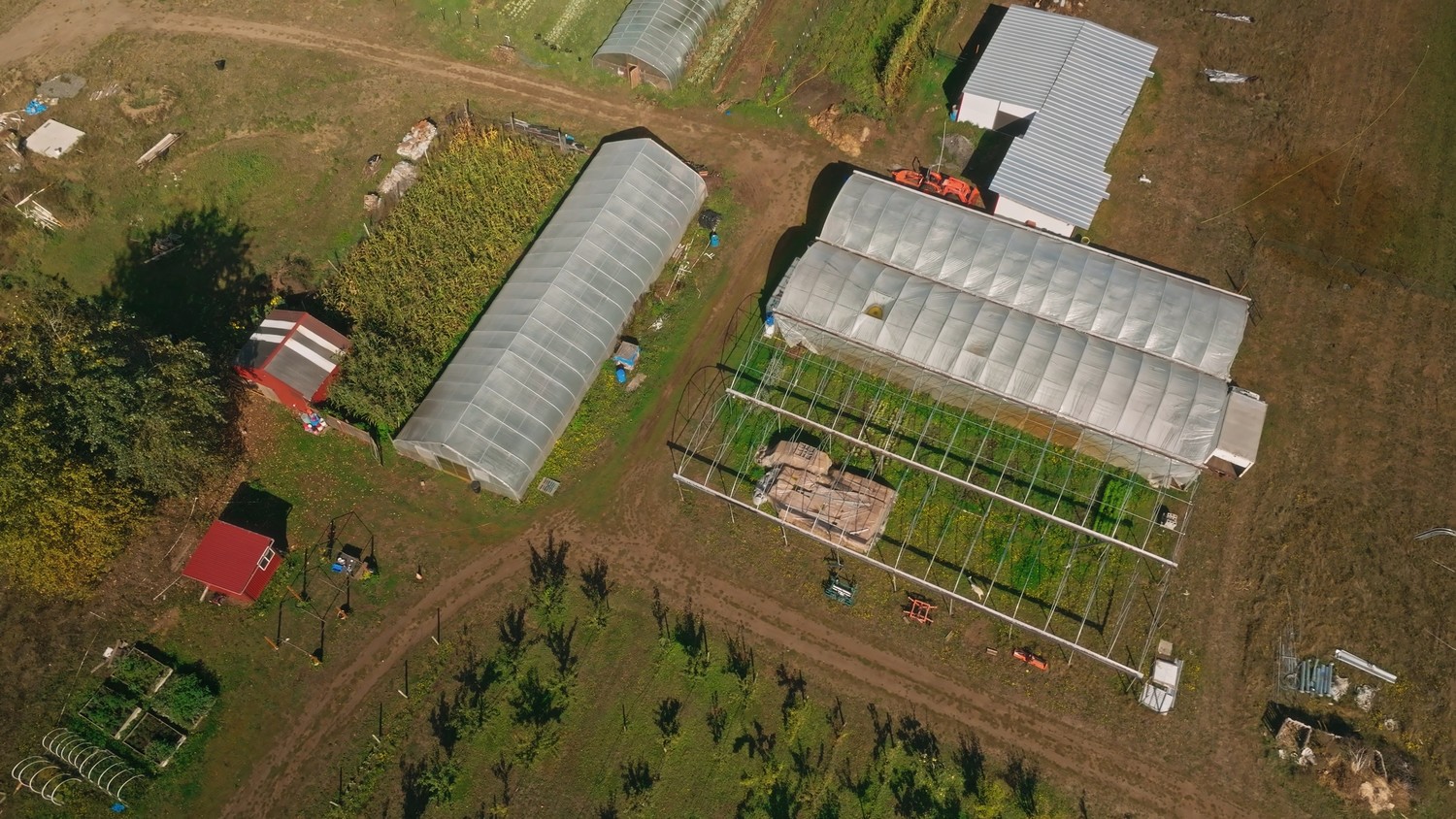
One of those models is the Tierra y Libertad cooperative, a farmworker-centered approach to agriculture that treats labor, land, and community as sacred—not disposable. Clean water, safe food, and sustainable practices drive Tierra y Libertad. The goal of the farm is not to profit, but to create a healthy work environment that produces healthy food for the community. The podcast points to the cooperative as a living example of what agriculture can look like when it is rooted in dignity, sustainability, and shared decision-making.
That “shared decision-making” is not just an ideal. It’s a strategy. It allows farmworkers the ability to decide what’s best for their community, instead of having it be decided for them.
The episode also speaks to a reality many communities have experienced: too often, meaningful change only happens when systems get sued. Litigation becomes the hammer of justice, solely because public leadership refuses accountability without it. Essentially, if we want different outcomes, we need leaders who are rooted in community, and we need neighbors who understand how much local elections shape water systems, zoning, enforcement, and public health priorities.
This is where ELLA’s broader mission connects directly to environmental justice. Environmental justice is not separate from civic engagement. It’s inseparable. And the documentary itself is part of that strategy: a tool for community education, a platform for truth-telling, and a spark for collective action. Public screenings and community panels are moments where people can learn together, ask questions out loud, and refuse to be isolated in their fear or frustration. As Vicky Frausto says: “frustration can be a turning point: when people finally name harm as unacceptable, they start demanding something better.”
And “something better” is not a fantasy.
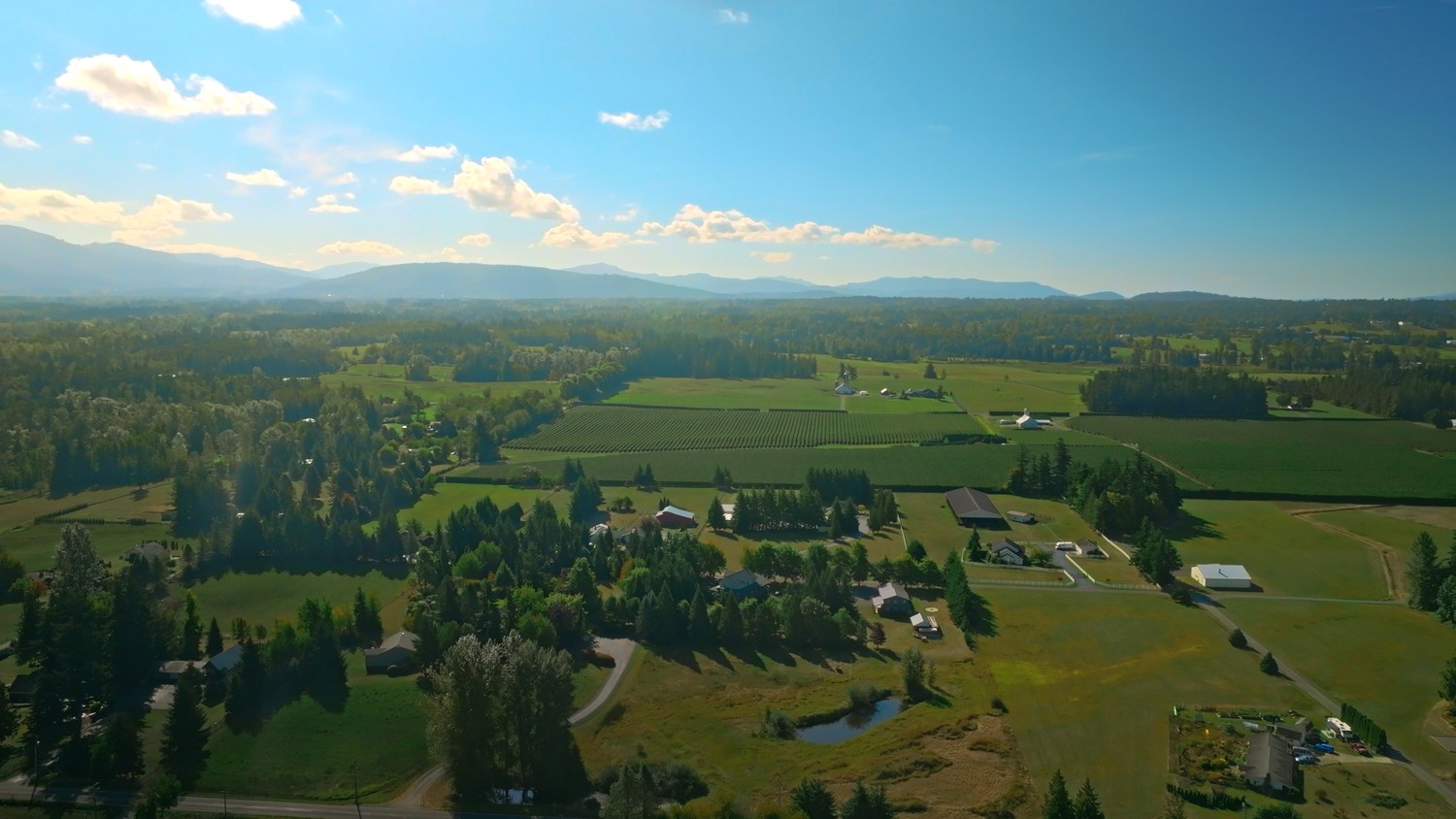
It looks like clean water that families can trust.
It looks like workplaces where safety is enforced.
It looks like agriculture that feeds us without sacrificing us.
It looks like an industry that provides health insurance to its workers. It looks like a community that refuses to struggle to survive.
It's a community that chooses to thrive.
If you are interested in getting involved with ELLA to bring forth meaningful change, reach out today and we can help get you connected.
Posted April 02, 2026
We use cookies to improve your experience on our website. By browsing this website, you agree to our Privacy Policy.
x